
What Your Sleeping Position Actually Says About Your
Key Takeaways
- Core Concept: Explore insights on What Your Sleeping Position Actually Says About Your.
- Summary: You spend roughly one-third of your life asleep. And unlike your waking hours — where you carefully curate how you sit, stand, and present yourself — sleep strips away the performance. Your body defaults to whatever position feels most natural,…
- Application: Apply these inspirational principles to improve personal and professional growth.
You spend roughly one-third of your life asleep. And unlike your waking hours — where you carefully curate how you sit, stand, and present…
You spend roughly one-third of your life asleep. And unlike your waking hours — where you carefully curate how you sit, stand, and present yourself — sleep strips away the performance. Your body defaults to whatever position feels most natural, unfiltered by social awareness or self-consciousness.
That is exactly what makes sleeping positions so interesting to researchers. Professor Chris Idzikowski, director of the Sleep Assessment and Advisory Service, conducted one of the most cited studies on sleeping positions and personality, surveying over 1,000 participants. His findings, along with subsequent research from sleep labs around the world, suggest that how you sleep reveals patterns about how you navigate the world while awake.
Is this a perfect science? No. But the correlations are consistent enough — and interesting enough — to be worth exploring. At the very least, you will never look at your pillow the same way.
What Do the 6 Main Sleeping Positions Say About Your Personality?
1. The Fetal Position (41% of people)
What it looks like: Curled up on your side, knees drawn toward your chest, arms tucked in. The most common sleeping position by a significant margin, and twice as popular among women as men.
Personality traits: People who sleep in the fetal position tend to present a tough exterior but are sensitive and sometimes shy underneath. They may take a while to warm up to new people but are deeply loyal once they do. Idzikowski’s research describes them as having a “hard shell, soft interior” — guarded at first, open once they feel safe.
Health implications: Generally good for your body. Sleeping on your left side can reduce acid reflux and heartburn. It also keeps your spine relatively aligned. The downside: curling too tightly can restrict breathing and put strain on your neck. Keep the curl loose rather than balling up tightly.
Trending Today- Earn $$$ FREE | Trending LIFE Quotes | HOT DEBATES | Autograph | FREE PAID Tools | Advertise FREE |
Fun fact: The fetal position is the most instinctive human sleeping posture. It mirrors the position we spent nine months in before birth, which is likely why it feels so inherently comforting.
2. The Log (15% of people)
What it looks like: Lying on your side with both arms straight down alongside your body. Stiff and straight, like a log — hence the name.
Personality traits: Log sleepers are typically social, easygoing, and trusting. They enjoy being part of a group and tend to be popular in social settings. The research also suggests they can be overly trusting — sometimes to the point of gullibility. They take people at face value and assume positive intent, which makes them wonderful friends but occasionally vulnerable to manipulation.
Health implications: Side sleeping is one of the healthiest positions overall. It keeps the spine aligned, reduces snoring, and is recommended for people with sleep apnea. If you sleep on your right side, it can ease pressure on the heart. Adding a pillow between your knees further improves spinal alignment.
3. The Yearner (13% of people)
What it looks like: Lying on your side with both arms stretched out in front, as if reaching for something.
Personality traits: Yearners are open-natured but can be suspicious and cynical at the same time — a paradoxical combination. They are slow to make decisions, carefully weighing options from every angle. But once they have made up their mind, they rarely change it. Research associates this position with people who are pragmatic and sometimes stubborn. They want to engage with the world but maintain a healthy skepticism about what it offers.
Health implications: Similar benefits to the log position — good spinal alignment and reduced snoring. The outstretched arms can sometimes lead to shoulder and arm pain over time due to restricted blood flow. Switching the side you sleep on periodically can help.
4. The Soldier (8% of people)
What it looks like: Lying flat on your back with both arms pinned straight at your sides. Military precision — even in sleep.
Personality traits: Soldier sleepers tend to be quiet, reserved, and structured. They hold themselves and others to high standards. They do not enjoy making a fuss and prefer to observe rather than dominate social situations. Idzikowski’s research notes that they are typically loyal and focused but can be rigid in their expectations — both of themselves and the people around them.
Health implications: Back sleeping is excellent for spinal alignment and reduces pressure on joints. However, it is the worst position for snoring and sleep apnea because gravity causes the tongue to fall backward, partially blocking the airway. If you snore heavily and sleep on your back, try elevating your head slightly with an extra pillow or switching to your side.
5. The Freefall (7% of people)
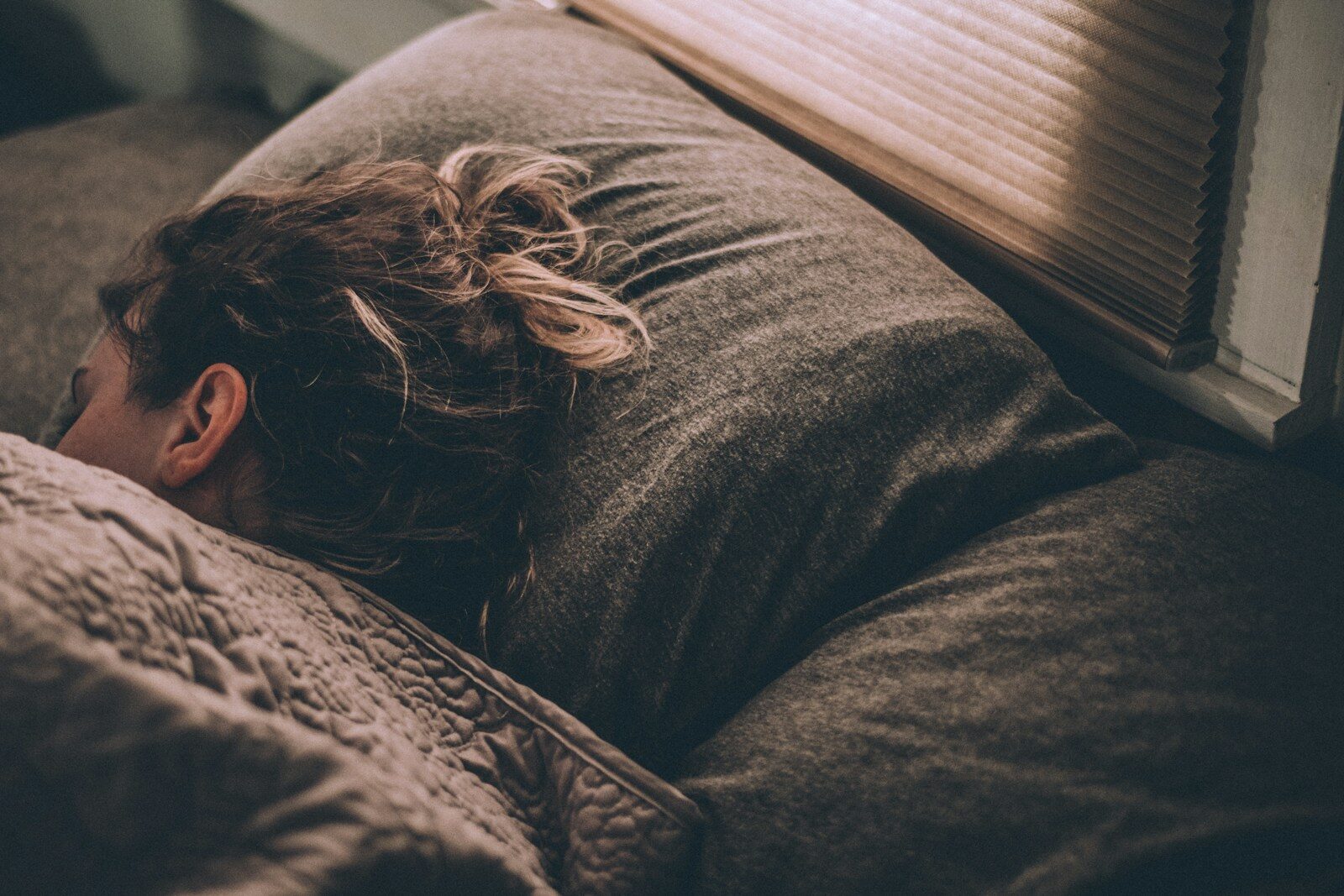
What it looks like: Lying face down (stomach sleeping) with arms wrapped around or tucked under the pillow, head turned to one side.
Personality traits: Freefall sleepers tend to be outwardly bold and sociable but surprisingly thin-skinned underneath. They are often described as brash, outgoing, and direct — the person who says exactly what they think. But they do not handle criticism well. They project confidence that can mask an inner nervousness, particularly about being judged. They also tend to be risk-takers who dislike being put in situations where they do not feel in control.
Health implications: Stomach sleeping is generally considered the least healthy position. It forces the neck into a rotated position for hours, which can cause neck and upper back pain. It also flattens the natural curve of the spine. If you are a committed stomach sleeper, use a very thin pillow (or none) and place a flat pillow under your pelvis to reduce lower back strain.
6. The Starfish (5% of people)
What it looks like: Lying on your back with both arms up around the pillow, legs spread slightly apart. Taking up maximum space.
Personality traits: Starfish sleepers are excellent listeners and loyal friends. They genuinely enjoy helping others and tend to avoid being the center of attention despite being well-liked. They are the friend who remembers your problems and follows up, the colleague who lets others take credit. Research associates this position with selfless, giving personalities — though they can sometimes be so focused on others that they neglect their own needs.
Health implications: Like the soldier position, back sleeping is good for the spine but problematic for snoring. The arms-up position can also put pressure on shoulder nerves, leading to discomfort. If you wake up with tingling arms, that is why.
What Couples’ Sleeping Positions Reveal
How you sleep next to a partner tells its own story. Research by relationship psychologist Corrine Sweet found consistent patterns:
Spooning (18% of couples): The classic protective position. The “big spoon” tends to be the more protective or dominant partner in the relationship. Common in newer relationships and during periods of high emotional connection. Interestingly, it becomes less common the longer a couple has been together — not because intimacy decreases, but because sleep comfort takes priority.
Back-to-back, touching (23% of couples): This is actually the healthiest relationship signal. Both partners are comfortable enough to sleep independently but maintain physical contact. Research associates this position with couples who are both connected and confident in the relationship — they do not need to cling.
Back-to-back, not touching (27% of couples): The most common couples position and often misinterpreted as a sign of distance. In reality, it usually indicates a comfortable, established relationship where both partners prioritize sleep quality. However, if this is a sudden change from a more connected position, it can reflect emotional withdrawal.
Intertwined/tangled (2% of couples): Extremely rare and unsustainable for actual sleep. Common in the earliest weeks of a relationship or after an emotionally intense experience (reconciliation, long absence). It is a signal of intense emotional dependency — which can be beautiful temporarily but exhausting as a default.
One partner takes up most of the bed: This is less about selfishness and more about dominance dynamics. Research suggests the partner who claims more space tends to feel more in control in the relationship — consciously or not.
Can Changing Your Sleep Position Improve Your Health?
The short answer: yes, but it is harder than you think.
Your sleeping position is deeply habitual. You have been defaulting to it for years, possibly decades. Consciously changing it requires physical aids and patience:
- If you want to stop sleeping on your stomach: Hug a body pillow. It satisfies the need for something to press against while keeping you on your side.
- If you want to stop sleeping on your back (to reduce snoring): Sew a tennis ball into the back of your sleep shirt, or use a positional sleep trainer. It sounds absurd. It works.
- If you get shoulder pain from side sleeping: Place a firm pillow between your knees and use a contoured pillow that supports the neck gap.
Give any position change at least 3–4 weeks before evaluating. Your body will resist at first, and you may unconsciously revert during the night. Persistence is key.
A Quick Self-Assessment
Tonight, pay attention to the position you naturally fall asleep in (not the position you wake up in — those are often different). Note it for three nights. The position you choose at least two out of three nights is your dominant position.
Then reread the personality description above. Does it resonate? Share your result with a friend or partner — the conversation that follows is usually more revealing than the position itself.
If you enjoyed this, you might also want to try a more comprehensive personality assessment. A quick Personality Quiz can give you a broader picture of your personality traits across multiple dimensions — not just how you sleep, but how you think, relate, and make decisions.
The Bottom Line
Your sleeping position is not a crystal ball. It will not reveal your deepest secrets or predict your future. But it is one of the few behaviors you perform completely unfiltered — no audience, no expectations, no performance. And in that honesty, there are patterns worth noticing.
At the very least, the next time someone asks what kind of person you are, you have a new answer: “I am a starfish.”
Frequently Asked Questions
Does sleeping position really affect personality?
The evidence is correlational, not causal — your sleeping position does not create personality traits, and changing positions will not change your personality. However, Professor Chris Idzikowski’s research on 1,000+ participants found consistent patterns between sleeping positions and self-reported personality traits. It is best viewed as an interesting behavioral indicator rather than a definitive personality test.
What is the most common sleeping position?
The fetal position is by far the most common, used by approximately 41% of people. It is twice as popular among women as men. The log position (15%) and yearner (13%) are the next most common, while starfish (5%) is the rarest.
What is the healthiest sleeping position?
Side sleeping (log or yearner positions) is generally considered healthiest — it promotes spinal alignment, reduces snoring, and is recommended for people with sleep apnea or acid reflux. Back sleeping is good for spinal alignment but worsens snoring. Stomach sleeping is considered the least healthy due to neck strain.
Can you change your sleeping position?
Yes, but it takes patience. Your sleeping position is deeply habitual. Use physical aids: a body pillow to prevent stomach sleeping, a tennis ball sewn into your shirt back to prevent back sleeping, or a contoured pillow for side sleeping. Allow 3–4 weeks for a new position to feel natural.
What does it mean when couples sleep back to back?
Back-to-back sleeping is the most common couples position (27%) and is generally a positive sign. It indicates a comfortable, established relationship where both partners are secure enough to sleep independently. However, if it is a sudden change from a more connected position, it may reflect temporary emotional distance.
Thank you for reading this post, don't forget to subscribe!
📌 Key Takeaways
- What Do the 6 Main Sleeping Positions Say About Your Personality?
- What Couples’ Sleeping Positions Reveal
- Can Changing Your Sleep Position Improve Your Health?
- A Quick Self-Assessment
- The Bottom Line
- Frequently Asked Questions
References & Further Reading
Related Articles




Written by John @ Share-Ask
John is a digital strategist and side-hustle expert with over 5 years of experience in growing online platforms. He specializes in web optimization, productivity workflows, and turning creative habits into profitable online businesses.
Share-Ask Content Expert | Verified Contributor