
How to Travel Europe on $50 a Day in 2026 (Real Numbers, Not Brochure Math)
Key Takeaways
- Core Concept: Explore insights on How to Travel Europe on $50 a Day in 2026 (Real Numbers, Not Brochure Math).
- Summary: Europe has a reputation for being expensive. It deserves that reputation — in Zurich, London, and Paris in July. Outside those pockets, the economics tell a different story entirely. This guide shows you the real math for a $50/day trip:…
- Application: Apply these inspirational principles to improve personal and professional growth.
How to actually travel Europe on $50 a day in 2026 — real cost breakdowns, cheap countries, transport tricks, and the weekly budget proving the math works.
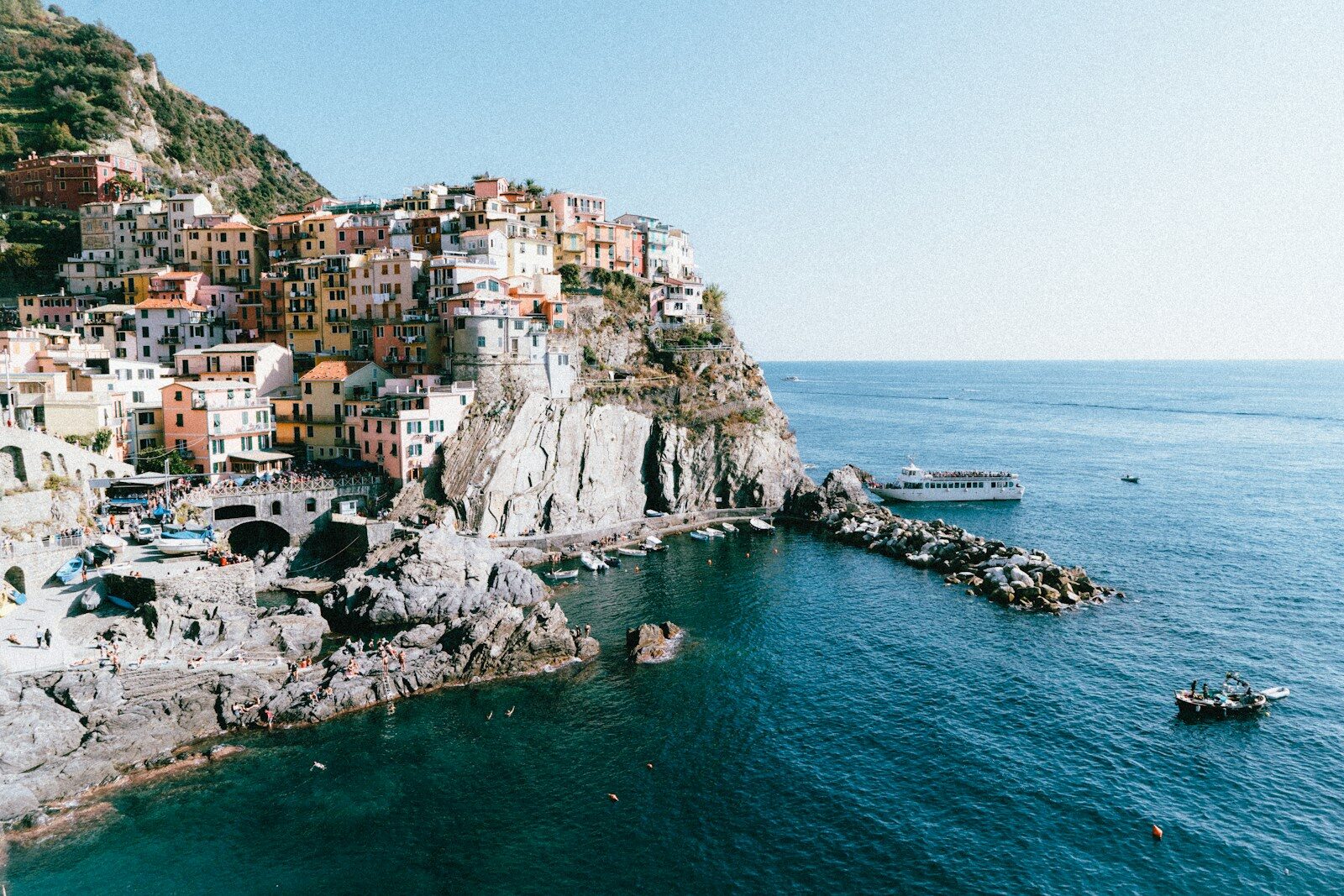
Europe has a reputation for being expensive. It deserves that reputation — in Zurich, London, and Paris in July. Outside those pockets, the economics tell a different story entirely. This guide shows you the real math for a $50/day trip: where that number works, where it doesn’t, and how to structure each day so you’re spending on things that matter instead of getting cleaned out on things that don’t.
One upfront honesty: the $50/day figure covers your expenses once you’re on the ground — food, accommodation, transport, and activities within your destination country. It does not include your transatlantic flight. Flights from the US to Europe run roughly $400–900 round-trip from the East Coast in shoulder season, depending on your departure airport and flexibility. Factor that separately. The rest of your trip, on a well-chosen itinerary, genuinely lives inside $50/day for an independent traveler.
Most Viral Tool - Google Reviews Tool | SEO Audit Tool | ATS Resume Generator | Seller Profit & Tax Spreadsheet
Where the Math Works (and Where It Doesn’t)
The single biggest factor in your daily spend isn’t how frugal you are — it’s which country you’re standing in. Geography is destiny here.
$50/day is very achievable in:
Poland, Hungary, Romania, Bulgaria, Serbia, Czechia (outside Prague’s tourist core), Slovakia, Portugal (outside central Lisbon neighborhoods), Greece in shoulder season, and the Balkans broadly. These countries combine low local costs with rich history, walkable cities, and excellent food — and they’re no less “real Europe” than the expensive capitals. A budget traveler in Budapest or Kraków will eat better and see more than a stressed mid-range traveler in central London.
$50/day is very difficult in:
Trending Today- Earn $$$ FREE | Trending LIFE Quotes | HOT DEBATES | Autograph | FREE PAID Tools | Advertise FREE |
Switzerland, Norway, Iceland, Denmark, and anything in the “luxury Alpine / Scandinavian capital” lane. These are extraordinary places — and worth visiting — but a single restaurant meal in Zurich or Bergen can blow half the day’s budget before you’ve slept anywhere. Southern France, Barcelona in high season, and central Amsterdam also trend well above $50 for visitors staying in hotels.
$50/day is possible but tight in:
Czech Republic (Prague), Portugal (Lisbon), Greece (Athens/Islands), Ireland (rural only). Doable with budget choices; you won’t starve but you’ll make concessions.
Rule of thumb for planning: Western Europe generally costs $100–150/day for comfortable mid-range travel. Eastern Europe runs $40–70. The $50 target places you squarely in the comfortable range across Central/Eastern Europe and at the lean-but-rewarding end in parts of Portugal and southern Europe.
A Real Daily Budget: $50 in Kraków or Budapest
Here’s what a perfectly normal $50 day actually looks like in a Central/Eastern European city. Every number is approximate (conversions fluctuate), but this reflects typical recent costs.
| Expense | Cost (EUR/USD approx.) |
|---|---|
| Hostel dorm bed | €12–20 (~$13–22) |
| Bakery breakfast (pastry + coffee) | €3–5 (~$3.50–5.50) |
| Lunch: local restaurant “set menu” | €5–8 (~$5.50–9) |
| Grocery snacks + water | €3–5 (~$3.50–5.50) |
| One paid attraction or museum | €5–10 (~$5.50–11) |
| Local transit day pass | €2–4 (~$2–4) |
| Beer / coffee in the afternoon | €2–3 (~$2–3.50) |
| Total | ~$35–55 |
Lunch is your best friend everywhere in Europe. The “menu of the day” (menu del día in Spain, zuppa del giorno in Italy, zestaw obiadowy in Poland, polední menu in Czech) is almost always the best meal you’ll eat all day for the lowest price — restaurants price their lunch offerings to compete with takeaway. When locals eat a large lunch and a light dinner, follow their lead.
Evenings: a supermarket picnic in a European park or along a riverfront with bread, local cheese, fruit, and a €1–2 beer from a shop isn’t just cheap — it’s genuinely the kind of travel moment people remember fondly. You’re not compromising. You’re living like the people who actually live there.
Where You Sleep (Without Overpaying)
Accommodation runs 30–50% of the daily budget in most destinations, so small differences compound fast over a two-week trip.
Hostels are the default budget answer, and most Western assumptions about them are outdated. Modern hostels across Eastern Europe are clean, well-run, and often have private rooms for roughly what a budget hotel charges. Dorm beds in Eastern Europe commonly run €10–18 in major cities. Private hostel rooms (double, private bath, outside peak) often land €25–40 — competitive with basic hotels. The social advantage of hostels is also real for solo travelers: built-in dining partners, local knowledge, and fewer uncomfortable nights.
Guesthouses and family-run pensions (common across Portugal, Italy, Greece, and much of Eastern Europe) are frequently the sweet spot for couples or pairs: a private room with breakfast included, in a family home, often €30–50 for a double. You book directly with the owner, you get local recommendations the guidebook missed, and you avoid hostel social-energy nights when you want quiet.
Aparthotels and serviced studios with kitchenettes unlock the savings of cooking for yourself without dorm living. Hostelworld, Booking.com (“Apartments” filter), and Airbnb (the “apartments” category specifically, not private rooms in someone’s house) all list these.
The monastery/convent stays scattered across Italy, Spain, and parts of Portugal are underrated and strangely affordable — a clean private room in a 17th-century building, often with communal dinners and no TV. They’re quiet, fascinating, and absurdly good value. Book directly.
Eat Like a Local, Not a Tourist
The single highest-ROI travel skill is figuring out where locals eat versus where tourists eat, then eating where locals eat. The pattern is almost universal: restaurants on the main square charge double for half the portion of the family-run place one street back. Tourists subsidize the prime real estate rent; locals avoid it.
Practical tactics:
- Lunch specials as the main meal. As noted, the “menu of the day” pricing exists because locals eat lunch out and bring leftovers home for dinner. You can too — or bring the leftovers to an evening picnic. In Kraków, a full lunch menu at a popular local spot runs 25–35 zloty (~$6–9) for soup, main, and sometimes dessert.
- Bakeries for breakfast. Eastern European bakeries (pączki in Poland, koláče in Czech) serve hot, filling pastries for €1–2. A strong coffee from a local café (not Starbucks, never Starbucks) runs €1–2. Total breakfast cost: under $4.
- Supermarket supply runs. For snacks, breakfasts, and picnic supplies, the local supermarket is your real ally. Shops like Biedronka (Poland), Tesco (Czech), Lidl (everywhere) sell excellent bread, cured meats, cheeses, fruit, and prepared salads cheaply. Budget €5–8/day for snacking well.
- Avoid the “tourist menu” areas. Any restaurant directly facing a major attraction with photos of the food on the menu is charging tourist prices. It’s not necessarily bad — it’s just priced for people who aren’t walking one street away to eat the same thing at half cost. Local judgment: if you’re the only customer speaking English, you’re overpaying.
Transport: Where Time Saved Costs Money (Or Doesn’t)
Europe’s intercity transport has gotten remarkably cheap — if you book in advance and use the right operators.
Trains: Book early for significant discounts (often announced 2–3 months ahead for major routes). Warsaw–Kraków on PKP (Polish rail) runs around 49–69 zloty (~$12–17) if booked ahead, but €25–35 at walk-up price. The same dynamic applies across Germany (Deutsche Bahn’s Sparpreis), Czech Republic, Hungary, and France. The day you decide to buy “now” is the day you pay full price.
Buses: Companies like FlixBus, RegioJet, and local operators often undercut trains dramatically. Warsaw–Kraków by bus: roughly 29–49 zloty (~$7–12) on FlixBus, arriving in 2.5–3 hours. Comfortable enough, reliable, and half the price of a same-day train. For routes under 5 hours, buses beat trains on price almost everywhere.
Night trains: One route worth seeking out for budget travelers: the overnight train between two distant cities (Budapest–Kraków, for example) — you arrive at 6 AM, you didn’t pay for a hotel night, and you save a full travel day. Book a sleeper couchette; it’s cheaper than one hotel night plus a daytime train.
City transit: Most major cities offer 24, 48, or 72-hour transit passes that pay for themselves after 2–3 rides. Before buying singles, check the pass — Prague’s 72-hour pass pays for itself quickly. But many European old towns are walkable from end to end: walking saves money AND is how you discover the best corners.
Free Europe (There’s More Than You Think)
Europe’s cultural richness is far less commercialized than you’d expect. Most churches, public parks, historic neighborhoods, and city centers cost nothing to enjoy. Walking tours run by tip-only guides (you pay what you feel it was worth) are common in every major city and consistently excellent. Museums often have one free day per month (first Sunday in many cities — research this before you go).
A practical rule: plan one paid attraction per day. Most paid attractions in Eastern Europe cost €5–15. You’re not skipping culture — you’re being selective about which €8 entries are worth your day versus which ones are just keeping you out of the rain.
Timing Is Worth More Than Frugality
The single biggest lever on your budget isn’t what you cut — it’s when you go.
Shoulder seasons — late April through early June, and September through October — deliver noticeably lower prices on beds, slightly fewer crowds, and generally good weather across most of Europe. August is peak-season pricing plus heat waves in southern Europe. December–February is low-season pricing in much of Europe, though days are short and some islands/Balkan towns effectively shut down.
For $50/day specifically, travel in April–May or September–October in Poland, Hungary, Czech Republic, or Portugal. The math lines up most comfortably in these windows, the weather is pleasant, and you’ll encounter fewer tourists around you at the same attractions.
Money Mechanics That Save More Than Any Coupon
These small decisions compound across two weeks of spending:
- Decline the terminal conversion offer. When an ATM or card terminal asks “pay in your home currency (USD) or local currency?” — always choose local. The “convenience” conversion silently adds a 5–7% markup. This is worth knowing even outside of Europe — every travel blog glosses over it because it’s unglamorous, but it costs real money every transaction.
- Use a no-foreign-transaction-fee card. If you carry a US top credit cards for bad credit without foreign transaction fees, that card is your payment workhorse abroad. If you only have cards that charge 3% FX fees, the card itself isn’t saving you money — get a no-FX-fee card before you go.
- Airport ATMs are the worst. Those ATMs near arrivals are almost universally operated by companies that charge €5–10 on top of your bank’s own fees. Find a bank-branded ATM (Commerzbank, ING, Erste Bank, whatever local banks you spot in the city) — better rates, lower fees.
- Esim for data. Buying a prepaid eSIM from providers like Airalo or Holafly before you fly costs a fraction of what US carrier international roaming charges. Expect roughly $5–15 for a full trip’s data, depending on country.
Sample 7-Day Budget: Poland and Hungary, Proving the Math
| Day | City | What you do | Approx. daily spend |
|---|---|---|---|
| 1 | Kraków | Arrive via FlixBus from Warsaw (booked weeks ahead). Walk Rynek Główny, free walking tour, groceries for evening picnic on Planty. | ~$48 |
| 2 | Kraków | Kazimierz district, Schindler’s Factory museum, lunch special. | ~$45 |
| 3 | Kraków → train/bus to Zakopane (budget day trip from Kraków, ~$6–10 each way, mountain hiking, very cheap lunch) | ~$40 | |
| 4 | Kraków → Budapest night train (arrive 6 AM, saving a hotel night) | ~$25 (budget train day, no hotel spend) | |
| 5 | Budapest | Thermal baths (Széchenyi ~€22 — the one splurge), ruin bars, Danube walk. | ~$55 |
| 6 | Budapest | Buda Castle district, Fisherman’s Bastion, Central Market Hall, paprikash lunch. | ~$42 |
| 7 | Budapest | Margaret Island, lunch special, evening. | ~$38 |
Total over 7 days: roughly $293 — well inside the $50/day budget, and no day required cutting corners on food, safety, or cultural experience. This isn’t a survival itinerary. It’s a good one.
Note on total cost including transport: the FlixBus Warsaw→Kraków + night train Kraków→Budapest total comes to around $15–20 total for both legs if booked well ahead. Add that to the $293 and your 7-day ground cost is roughly $310–315 all-in. If you’re flying transatlantic from the East Coast for $500 round trip, total 10-day trip cost (including flights) lands around $750–900, which is roughly what you’d spend on a single week in Switzerland without doing anything particularly extravagant.
What $50/Day Cannot Include
This math is honest, which means it has boundaries:
- Flights. Already covered separately.
- Travel insurance. Budget roughly $3–5/day for basic coverage, or confirm your credit card provides it.
- Splurge days. If you want a night at a hotel with a view, a fancy dinner, or a specific tour — and you will — budget them as conscious exceptions. The 80/20 approach works well: spend lean five days, flex two. A $70 “splurge dinner” in Lisbon doesn’t break the trip if the other days averaged $45.
The philosophy isn’t deprivation. It’s clarity: know what you’re spending, make it intentional, and put your money toward the experiences you’ll actually remember.
Frequently Asked Questions
How much does a 10-day Europe trip cost from the US in total?
From the US East Coast, a 10-day trip to Central/Eastern Europe — including a round-trip flight ($400–700) and ground spending ($50/day) — typically lands between $900 and $1,200 total, depending on flight timing and how many splurge days you plan. Western Europe (UK, France, Switzerland) bumps that figure significantly higher.
What is the cheapest country to travel in Europe?
Albania, Bulgaria, Romania, and Serbia consistently rank as the most affordable European countries for travelers. Hostels, meals, and local transport in these countries are noticeably cheaper than their Central European neighbors, and the cultural and natural experiences are excellent — they’re just less crowded, which is actually a benefit.
Do you need euros everywhere in Europe?
No — much of Europe doesn’t use the euro. Poland uses the zloty, Czech Republic the koruna, Hungary the forint, Romania the leu, Bulgaria the lev. A no-foreign-transaction-fee debit card works seamlessly everywhere, and using local ATMs for cash (in local currency, never accepting conversion) is both the cheapest and simplest approach.
What’s the best way to book cheap transport between European cities?
Buses (FlixBus, RegioJet) are almost always cheapest when booked 2–4 weeks ahead online; trains offer early-booking discounts through national rail sites (search “train from Kraków to Budapest”). For flights, Ryanair, Wizz Air, and Eurowings offer very cheap fares on short routes if you pack light — bag policies are strict and the prices inflate fast at the gate.
Thank you for reading this post, don't forget to subscribe!
📌 Key Takeaways
- Where the Math Works (and Where It Doesn’t)
- A Real Daily Budget: $50 in Kraków or Budapest
- Where You Sleep (Without Overpaying)
- Eat Like a Local, Not a Tourist
- Transport: Where Time Saved Costs Money (Or Doesn’t)
- Free Europe (There’s More Than You Think)
- Timing Is Worth More Than Frugality
References & Further Reading
Related Articles


Written by
Expert content contributor at Share-Ask, sharing insights on inspiration, personal growth, and life wisdom.
Share-Ask Content Expert | Verified Contributor


![Top 5 Things to Do in NYC This August [Updated 2026]](https://share-ask.com/wp-content/uploads/2025/04/Things-to-Do-in-NYC-This-August.jpeg "Top 5 Things to Do in NYC This August 3")
![Top 5 Reasons You Should Visit San Francisco This Summer [Updated 2026]](https://share-ask.com/wp-content/uploads/2019/10/Top-5-Reasons-You-Should-Visit-San-Francisco-This-Summer.jpg "Top 5 Reasons You Should Visit San Francisco This Summer 4")