How to Get Rid of Mould and Mildew
Key Takeaways
- Core Concept: Explore insights on How to Get Rid of Mould and Mildew.
- Summary: Many people refer to mould as mildew and vice versa. In general terms, this is correct because mould and mildew are fungi. Furthermore, both types of spore settle and grow in damp areas around your home. However, at the risk…
- Application: Apply these inspirational principles to improve personal and professional growth.
Many people refer to mould as mildew and vice versa. In general terms, this is correct because mould and mildew are fungi.
Many people refer to mould as mildew and vice versa. In general terms, this is correct because mould and mildew are fungi. Furthermore, both types of spore settle and grow in damp areas around your home.
Most Viral Tool - Google Reviews Tool | SEO Audit Tool | ATS Resume Generator | Seller Profit & Tax Spreadsheet
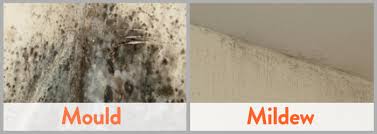
However, at the risk of being pedantic, it’s worth knowing the distinction between the two. Mould tends to be a furry fungal growth. Mildew appears as a white powdery coating.
You can see the distinction if you’re unlucky enough to have mould and mildew in your home. Mould is the black growth in moist corners of a kitchen or bathroom. It might even appear across wet walls and ceilings if your home has a burst pipe or an ineffective damp course.
Mildew could lurk on the pages of books in a damp part of your home. Or it might be on the furniture in a rarely-used, unheated room.To get rid of mould and mildew buy a water-based remover. Spray the solution on to the affected areas and allow it to penetrate. You’ll soon dispose of the unsightly growths. A water-based mould and mildew remover is non-toxic, non-flammable and doesn’t smell. It is biodegradable and safe.
Trending Today- Earn $$$ FREE | Trending LIFE Quotes | HOT DEBATES | Autograph | FREE PAID Tools | Advertise FREE |
Compare these benefits to the drawbacks of a chemical-based mould and mildew remover. The solvents in the chemicals mean you have to endure strong and potentially hazardous fumes. These fumes can irritate your lungs and eyes. And if you spill a chemical-based remover on your skin, you may suffer a rash or burn.But even when you use a water-based remover, you’re
Continue Reading About Food,Health
only part of the way to getting rid of the mould and mildew from your home. The next stage is to stop the fungi returning.
This can be tricky and could involve some expense. If mould and mildew are in your home, something is causing the dampness in which they thrive.
Dampness usually comes from water entering your home uninvited. Rain may be leaking in through a broken or ill-fitting window frame. A central heating pipe may be leaking behind a wall and soaking your plaster and wallpaper. A cracked roof tile may be letting rain through to your loft and from there to a ceiling.
An alternative cause of a damp environment is condensation. This is a problem in otherwise sound and dry homes. For example, everyday activities such as showering and cooking cause moisture to enter the air of your home. The air can only handle a limited amount of moisture. When it can hold no more, the air condenses against cold surfaces such as windows and releases water droplets. These run together and form into pools or dampen wallpaper, books and fabrics. As a result, mould and mildew spores soon develop.
To combat condensation, you must ensure proper ventilation of your home. Use extraction fans in steamy areas such as bathrooms and showers, and don’t add to the moisture in the air by drying clothes indoors.
Author Bio: William P is a freelance writer with expertise in home improvement ideas. He often writes blogs to share his ideas. Here, he tells about uses of water-based moss and mildew removers for safer experience.
Thank you for reading this post, don't forget to subscribe!
References & Further Reading
Related Articles



Written by Share Ask
The Share-Ask editorial team is comprised of industry experts dedicated to providing accurate, actionable answers to your most pressing questions. With years of experience in research and online strategy, our board ensures every article meets the highest standards of quality. For paid sponsorship & partnership, email our board of admin at admin@share-ask.com.
Share-Ask Content Expert | Verified Contributor